Why Is My Air Conditioner Leaking Water?
What Causes an Air Conditioner to Leak Water?
Air conditioners, both split systems and ducted systems, are far from a luxury; in fact, they are a necessity to help keep homes and businesses comfortable, particularly during the hot summer months. Your air conditioner's role is to remove moisture from the air as part of its cooling process. This moisture collects as condensation and drains away through a dedicated drain line. Water leaks can occur when this process is disrupted, causing condensation to accumulate and potentially overflow into your home.
➡️ Here are some of the most common reasons an air conditioner leaks water.
A Blocked Condensate Drain Line
A blocked condensate drain is one of the most common causes of an air conditioner leaking water. When the drain becomes blocked, water can back up into the tray and overflow from the indoor unit. Signs include
- Water dripping from the indoor unit.
- Puddles forming beneath the air conditioner.
- Water stains appear on nearby walls or ceilings.
- Your system switching off unexpectedly if a safety device is fitted.
Dirty or Blocked Air Filters
This tends to be one of the most common causes of AC water leaks. Restricted airflow through the filters can cause the evaporator coil to become excessively cold and potentially freeze. When the ice melts, the resulting water may overwhelm the drain tray or escape from the unit. We recommend checking your manufacturer's instructions and cleaning or replacing accessible filters as recommended. If the unit has frozen or continues leaking after filter maintenance, arrange a professional inspection to identify the underlying cause.
A Frozen Evaporator Coil
A frozen evaporator coil can lead to unexpected water leaks, even when your air conditioner appears to be cooling normally at first. Once the ice melts, excess water can overflow the drain tray or leak from the indoor unit. It's imperative that you do not chip away at the ice or attempt to handle refrigerant components yourself. Warning signs include:
- Ice or frost on the indoor unit or refrigerant pipes.
- Reduced airflow from the vents.
- Water leaking as the ice melts.
- The system struggles to maintain your preferred temperature.
A Damaged or Overflowing Drain Tray
Your air conditioner's drain tray collects condensation before it enters the drainage line. If the tray is cracked, corroded, incorrectly positioned or unable to drain properly, water may escape into your home. This can be particularly concerning when the indoor unit is installed above a living area, near plasterboard or close to electrical equipment.
Incorrect Installation or Drainage Problems
An air conditioner needs to be installed with the correct positioning, drainage arrangement and pipework to operate reliably. If the indoor unit is not level where required, the drain pipe has an unsuitable fall, or a connection has become loose, condensation may not drain away as intended.
Low Refrigerant Levels or Other System Faults
Low refrigerant levels can contribute to evaporator coil freezing, which may cause water to leak when the ice melts. However, refrigerant levels should not be assumed to be the cause of every water leak. Refrigerants do not simply need topping up as part of routine maintenance. A qualified and appropriately licensed technician must diagnose the fault, check for leaks and carry out any necessary refrigerant work in accordance with safe refrigerant handling guidelines
What Can Happen If Your Air Conditioner Leaks
A leaking indoor air conditioner deserves prompt attention because water can damage more than your flooring. Depending on where the leak occurs, ongoing moisture may cause:
- Electrical safety concerns: Water near electrical outlets, wiring or equipment creates a potential hazard.
- Damage to walls and ceilings: Water can stain paint, soften plasterboard and damage surrounding finishes.
- Flooring damage: Persistent moisture can affect carpets, timber flooring and nearby skirting boards.
- Mould and musty odours: Damp materials can encourage mould growth if the moisture is not addressed.
🫸Seek professional assistance. If water is dripping near electrical components, do not touch the wet unit or attempt to disconnect it. Keep clear and isolate power only if you can do so safely from a dry location. Even if the leak appears minor, having it inspected early can help limit damage and prevent the problem from getting worse.
Check your Outdoor AC unit for Leaks
Your air conditioning system consists of two main components: an indoor unit and an outdoor unit that houses the compressor. Water leaks can develop in either unit, but dripping water from your outdoor air conditioning unit is often normal, particularly during heating or humid weather. Fortunately, leaking compressors are not very common.
However, if you notice persistent pooling, unusual leaks, reduced cooling or heating performance, or ice forming on the unit, it's worth having a qualified air conditioning technician inspect the system.
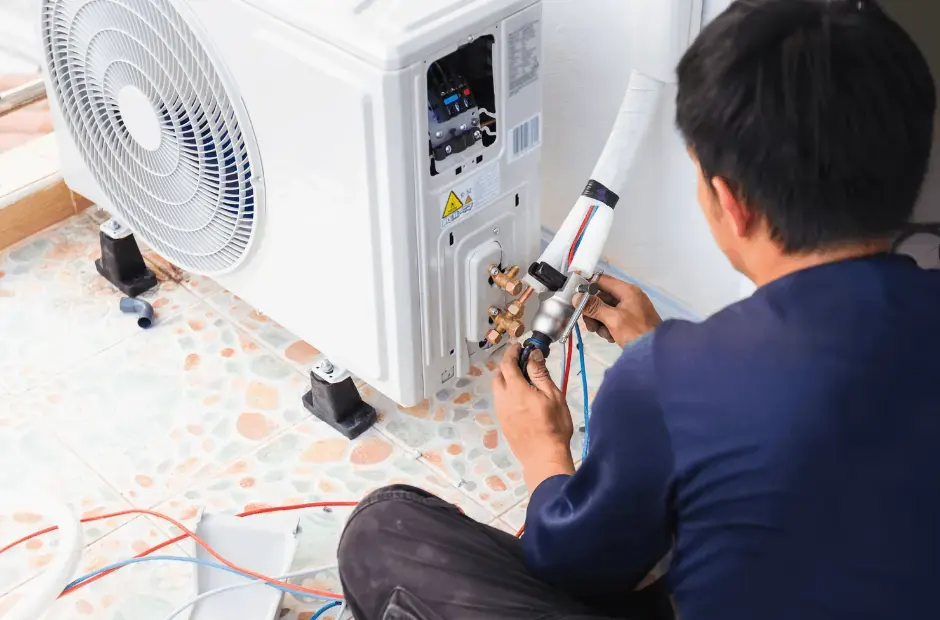
What to do if your Air Conditioner leaks?
If you discover a leak, taking a few sensible steps can help minimise damage while you arrange an inspection.
Step 1: Turn off the air conditioner.
Switch off the system if it is safe to do so, particularly if water is dripping from the indoor unit or the system appears to be malfunctioning.
Step 2: Protect the surrounding area.
Move furniture, electronics and other belongings away from the leak. Use towels or a container to collect water if it is safe, and avoid contact with any wet electrical equipment.
Step 3: Check the air filter.
If the unit is safely switched off, inspect the accessible filter and clean it according to the manufacturer's instructions if it is dirty.
Step 4: Look for obvious signs of a problem.
Without removing covers or dismantling the unit, check for visible ice, a disconnected external drain pipe or signs of ongoing water overflow.
Step 5: Arrange professional air conditioning servicing.
If the leak continues, contact a qualified technician, and avoid repeatedly restarting a leaking or frozen system before the cause has been identified.
Prevention is Better than Cure - Take care of your AC
Preventative maintenance is one of the most effective ways to minimise drainage issues and keep your air conditioner running efficiently. As a homeowner, you can start by regularly cleaning the filters according to the manufacturer's recommendations. The key is not to delay in contacting the experts at the first sign of water leaks or changes in your system's performance.
Air conditioning specialists recommend scheduling a professional service before the hottest months arrive. This helps identify potential issues early, maintain proper drainage and prepare your system to handle the increased demands of summer.
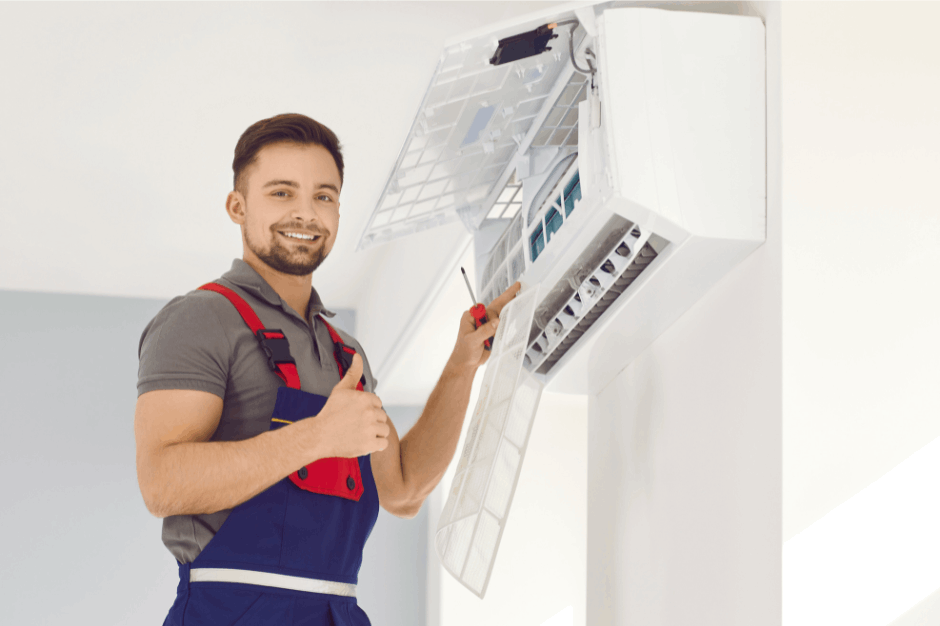
When Should I Call an Air Conditioning Technician?
While cleaning an accessible air filter is a straightforward maintenance task, persistent water leaks often require a closer look at the drainage system and internal components. An HVAC technician can inspect the system, identify the source of the leak and recommend a suitable solution. Contact a professional if:
- Your air conditioner is no longer cooling effectively.
- Water continues to leak after the filters have been cleaned.
- Water is damaging walls, ceilings or flooring.
- You suspect a refrigerant leak or electrical fault.
- The drain line appears blocked or damaged.
- Ice forms on the evaporator coil or refrigerant pipes.
Frequently Asked Questions About Air Conditioner Water Leaks
Will a blocked air conditioner drain cause water damage?
Yes. If condensation cannot drain away, water may overflow into nearby walls, ceilings, flooring or furnishings. Addressing a blocked drain promptly can help minimise the risk of damage.
Why does my air conditioner leak water after it has been turned off?
Water may continue dripping briefly as residual condensation drains away. However, ongoing leakage can indicate that ice is melting, the drain is blocked or another component is not functioning correctly
Is it normal for an air conditioner to leak water?
Water draining outside through the designated condensate outlet is generally normal during cooling. However, water leaking from the indoor unit, dripping onto walls or pooling where it should not is a sign that the system may need attention.
Can I still run my air conditioner if it is leaking water?
It is best to switch the unit off if it is leaking indoors, particularly if water is accumulating or the system shows signs of a fault. Continued operation may worsen water damage. If water is near electrical components, keep clear and seek professional assistance.
How often should my air conditioner be serviced?
The recommended interval depends on the system, how frequently it is used and the conditions in which it operates. Annual servicing is a useful starting point for many residential systems, while heavily used or commercial systems may need more frequent attention. Always follow the manufacturer's recommendations.
Need help with a Leaking Air Conditioner?
Don't let a small leak turn into a costly problem. Contact our team on 0485 824 715 today to arrange professional air conditioning repairs or service
Get in Touch!
We can help with anything Air Conditioning
Book Now for a Free, No Obligation Quote!
(02) 4421 8996